When applying silicone sealant, ensuring a dry environment is crucial for achieving a strong and durable bond. But what happens if silicone sealant gets wet before it cures? The curing process may be disrupted, leading to weaker adhesion, improper sealing, and potential contamination. Water exposure can also cause the sealant to become cloudy, preventing a smooth and professional finish. To avoid these issues, it is important to follow proper application guidelines and allow sufficient curing time.
Best Practices to Prevent Water Damage
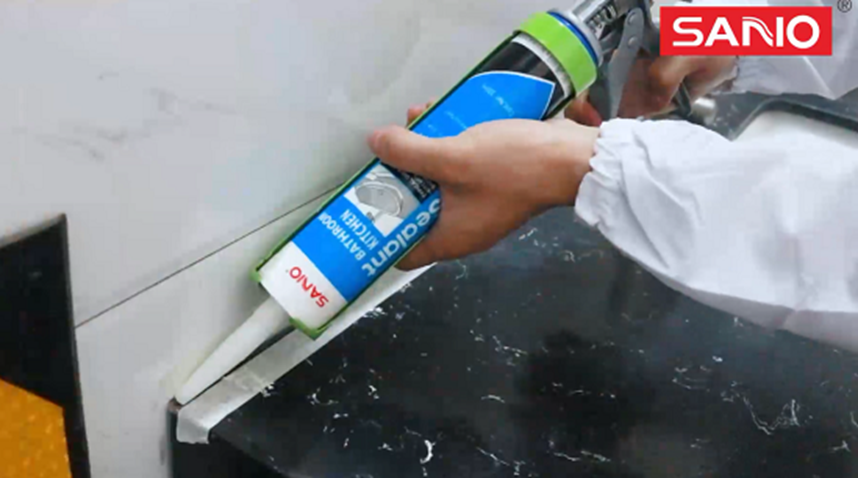
To ensure the effectiveness of silicone sealant, take proactive measures to protect it from moisture before it fully sets. First, check weather conditions before outdoor applications and avoid working in rainy or high-humidity environments. For indoor projects, ensure adequate ventilation to reduce moisture levels. Using a waterproof covering or barrier can also shield the sealant from accidental splashes. Additionally, applying the sealant in thin, even layers allows for faster curing and better resistance to external elements. Avoid touching or disturbing the sealant during the drying process, as this can introduce imperfections and affect the final result. SANVO offers high-quality silicone sealants designed for superior water resistance, but proper application and curing conditions are essential for optimal results. Their advanced formulas help improve adhesion and durability, ensuring long-lasting performance in various environmental conditions.
Conclusion
Water exposure before silicone sealant cures can compromise its performance, reducing its effectiveness and longevity. By following best practices such as working in dry conditions, using protective measures, and selecting premium sealants like those from SANVO, users can achieve a durable and professional seal. Taking these precautions will ensure that the sealant forms a strong bond and provides long-lasting protection against moisture and other environmental factors.