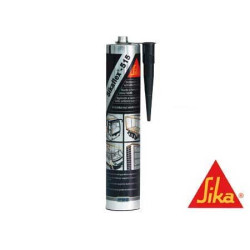
In many industries—from construction and automotive to marine and electronics—adhesives and sealants are indispensable materials used to bond surfaces and seal joints. Although they may seem similar, adhesives and sealants serve distinct purposes, and choosing the right one is crucial for the success and durability of any project.
What Are Adhesives?
Adhesives are substances designed to bond two or more surfaces together, creating a strong, durable connection. They come in various types and formulations, depending on the materials they are intended to bond and the conditions they must withstand. Adhesives can be permanent or temporary and may work through chemical reactions, physical bonding, or a combination of both.
Common types of adhesives include:
- Epoxy: A two-part system that creates an extremely strong and durable bond, often used in structural applications.
- Polyurethane: Flexible and water-resistant, suitable for bonding wood, metal, and plastics.
- Cyanoacrylate (Super Glue): Bonds quickly and is ideal for small repairs.
- Acrylic: Provides strong bonds and excellent weather resistance.
- Silicone Adhesives: Flexible and resistant to extreme temperatures, often used in sealing and bonding applications.
What Are Sealants?
Sealants are materials used to block the passage of fluids, gases, or other substances through joints or seams. Unlike adhesives, which focus on bonding surfaces, sealants are designed primarily for sealing gaps and preventing leaks. They are flexible and able to accommodate movement without cracking or losing adhesion.
Common sealants include:
- Silicone Sealants: Highly flexible and waterproof, ideal for sealing windows, doors, and plumbing.
- Polyurethane Sealants: Durable and paintable, used in construction joints and automotive applications.
- Acrylic Sealants: Easy to apply and paintable, suited for interior gaps.
- Butyl Sealants: Excellent for waterproofing, often used on roofs and gutters.
Differences Between Adhesives and Sealants
While both adhesives and sealants are used to join materials, their primary functions differ:
- Adhesives create structural bonds, holding materials firmly together.
- Sealants prevent the ingress or egress of liquids, gases, dust, or other environmental factors, often in joints or seams that may move.
Sometimes, a product can function as both adhesive and sealant, especially in flexible applications like marine or automotive industries.
Applications Across Industries
Construction: Adhesives bond materials like drywall, tiles, and panels, while sealants fill gaps to keep buildings airtight and watertight.
Marine: Sealants waterproof joints and seams exposed to harsh saltwater environments; adhesives bond components that need to withstand vibration and movement.
Automotive: Adhesives replace mechanical fasteners in many parts, improving weight and structural integrity; sealants prevent leaks and reduce noise.
Electronics: Specialized adhesives bond delicate components, while sealants protect sensitive parts from moisture and dust.
Choosing the Right Adhesive or Sealant
When selecting an adhesive or sealant, consider:
- Material compatibility: Will it bond or seal the materials involved?
- Environmental conditions: Will it resist water, UV rays, chemicals, or extreme temperatures?
- Flexibility needs: Does the joint or bond need to move or absorb vibrations?
- Curing time: How quickly does the product set or cure?
- Application method: Is it brushable, caulking gun compatible, or sprayable?
Conclusion
Adhesives and sealants are essential components in modern manufacturing, construction, and repair. Understanding their differences and selecting the right product ensures strong bonds, reliable seals, and long-lasting results. Whether you’re sealing a window, bonding boat parts, or assembling electronics, adhesives and sealants provide the performance and protection your project demands.